————————————————————–
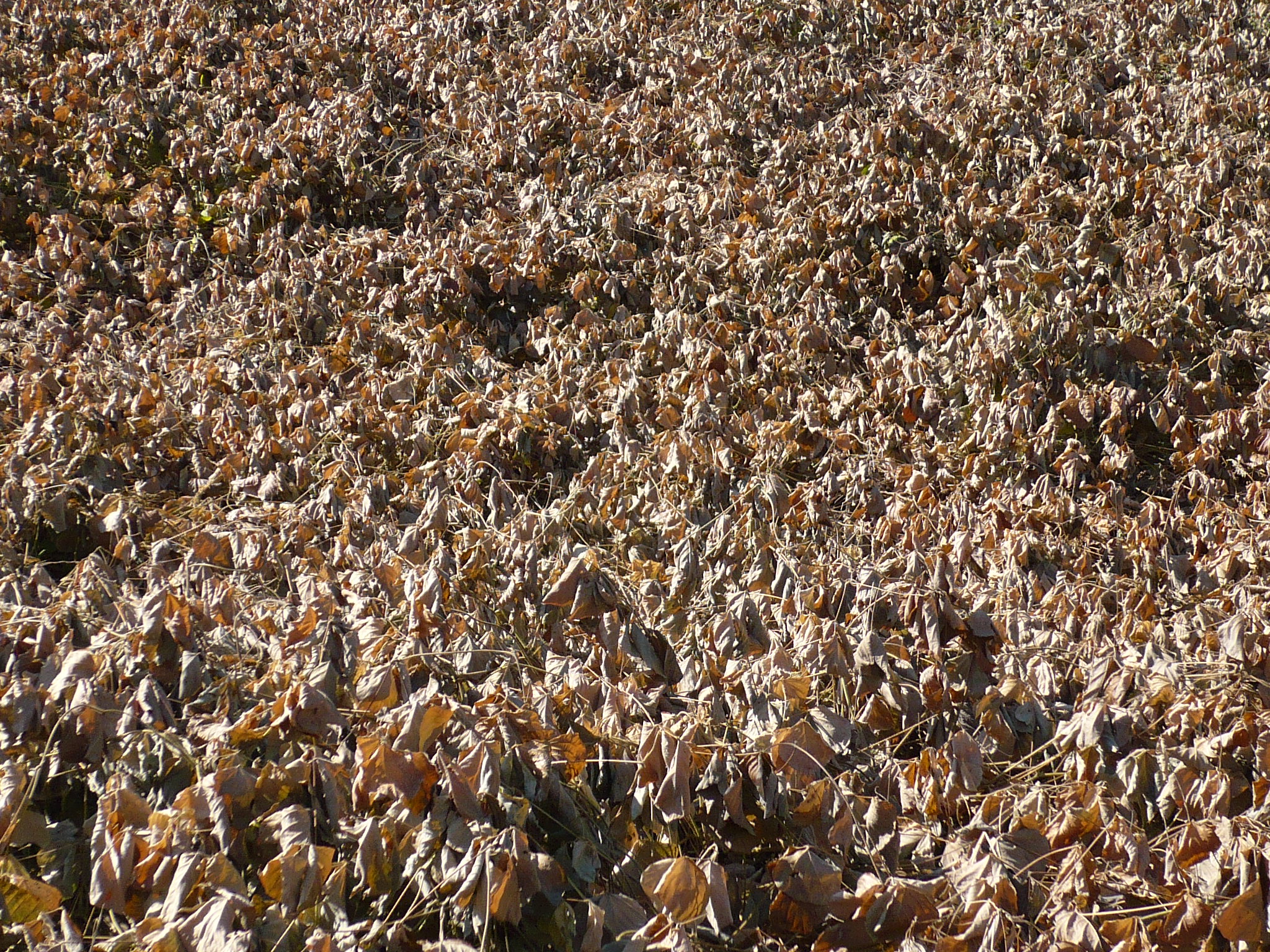
Isn’t this the most drab picture you have ever seen?
Even depressing.
But wait a minute! It will soon be vibrant and lush green. It is simply taking a long winter’s nap, but it is about ready to explode.
I took this photograph alongside Deerfoot Parkway that runs from NE Trussville to Clay. I made a lot of similar ones along U.S 11 at Argo, near the Jefferson/St. Clair County line.
In case you have not guessed, this is a scene of the indestructible plant known as kudzu.
There is a huge kidzu plantation on the south side of Chalkville Mountain Road as you climb the mountain going east heading toward Trussville. This is repeated in numerous locations all over the South.
One of my favorite photographs in my files is a picture of a stop sign on a side street in Grayson Valley. The kudzu had climbed the entire sign and you could only see the letter “O” in the word stop. It was as if the sign was screaming stop, stop, stop you naughty plant.
Kudzu was brougt over from Japan in 1876 at the Philadelphia Centennial Exposition. It was promoted as a forage crop and an ornamental plant. Beginning in the 1930s, the Soil Conversation Service encouraged farmers in the Southeastern USA to plant kudzu to stop soil erosion. It was planted widely for many years.
Little did they know that it would capture the countryside because of near perfect growth conditions in our section of the country. By 1953, the USDA officially called it a pest.
Kudzu has been seen as far northeast as New Jersey. It grows in 30 Illilnois counties and there was even a little growing in Oregon by 2000. Kudzu has now taken over as much as 12,000 square miles of land in the USA and it costs about $500 million a year in lost crop land and control costs.
Growing up in Hale County (good old Havana Junction) I was well aware of kudzu. There were a lot of sayings floating around, such as:
1. Don’t stand still or kudzu will get you.
2. Run, run, run–the kudzu is coming.
3. The foot a minute plant.
and a number of others.
In the 1930s and 40s, air conditiioning in rural Alabama was very scarce. I even heard some of the oldtimers in Havana Junction say that some farmers planted kudzu on the south and west sides of their houses to soften or shield them from the hot afternoon sun. I only saw one house like that and the kudzu had covered practically the entire house, including the roof, and the residents had to cut away an opening to get on the front porch.
Kudzu does have some good qualities. It sure did stop erosion and it made good feed for cattle and other grazing animals. It provides lots of protein.
Get ready to see kudzu for the rest of your life. It has won the war!
Kudzu does not worry about economic downturns. It does not need a stimulus package.
Life goes on even if we have to occasionally run from kudzu.